
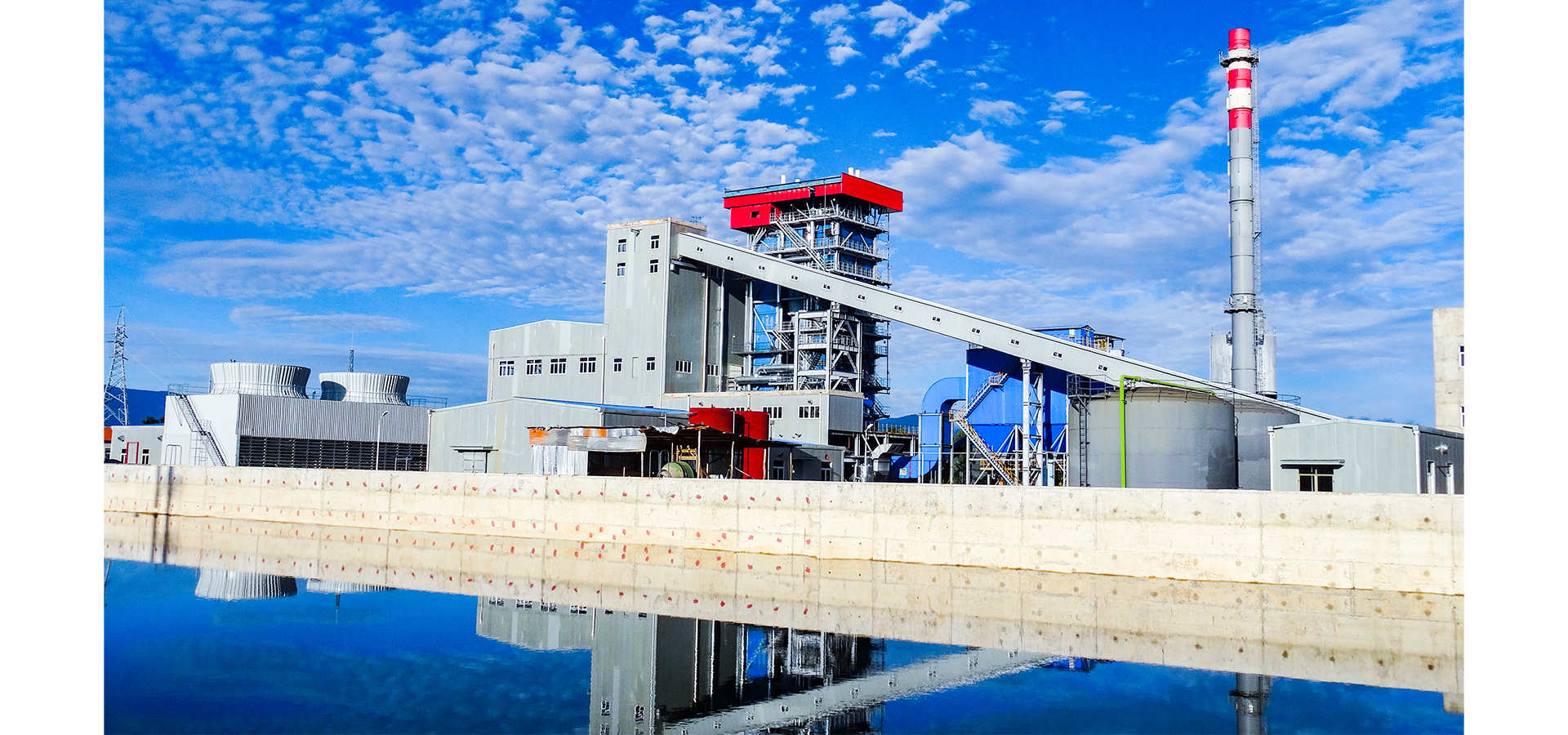
The global demand for reliable and sustainable energy continues to grow, making efficient power generation infrastructure more important than ever. Businesses, governments, and industrial sectors increasingly seek comprehensive solutions that simplify project management while ensuring high-quality results. This is where turnkey power plant construction plays a vital role. By providing a complete solution from design and engineering to procurement, construction, and commissioning, turnkey projects help reduce risks, control costs, and accelerate project completion.
For organizations planning new energy facilities, understanding the essential considerations behind successful power plant development is critical. Whether investing in large utility-scale projects or exploring small-scale power plant designs, careful planning and execution can significantly impact operational efficiency and long-term profitability.
Understanding Turnkey Power Plant Construction
Turnkey power plant construction refers to a project delivery method in which a single contractor is responsible for the entire development process. The contractor manages engineering, procurement, construction, testing, and commissioning, delivering a fully operational facility ready for use.
This approach eliminates the complexity of coordinating multiple vendors and contractors. Companies such as RUNH POWER specialize in providing integrated solutions that streamline project execution and ensure consistent quality throughout every stage of development.
The turnkey model offers several advantages, including:
- Single-point accountability
- Reduced project management burden
- Improved cost control
- Faster project completion
- Enhanced quality assurance
- Lower operational risks
These benefits make turnkey solutions increasingly attractive for both conventional and renewable energy projects.
Strategic Planning Before Project Initiation
Defining Project Objectives
Every successful power plant begins with clearly defined objectives. Stakeholders must determine the project’s capacity requirements, fuel source, budget limitations, environmental targets, and expected operational lifespan.
Accurate planning helps avoid costly design modifications later in the project. It also ensures that engineering solutions align with future energy demands and business goals.
Site Selection and Evaluation
Site selection is one of the most critical factors influencing project success. The chosen location should provide access to fuel supplies, transportation networks, water resources, and electrical transmission infrastructure.
Comprehensive site assessments typically include:
- Geological surveys
- Environmental impact studies
- Climate evaluations
- Infrastructure analysis
- Regulatory compliance reviews
A well-selected site minimizes construction challenges and improves long-term operational efficiency.
Engineering Excellence and Design Optimization
Importance of Detailed Engineering
Engineering forms the foundation of every power plant project. High-quality engineering reduces construction delays, minimizes operational risks, and improves plant performance.
During the design phase, engineers evaluate:
- Plant layout optimization
- Equipment selection
- Thermal efficiency
- Grid integration requirements
- Safety systems
- Maintenance accessibility
A strong engineering framework ensures smooth implementation during the construction phase.
The Growing Role of Small-Scale Power Plant Designs
In many regions, decentralized power generation is becoming increasingly popular. Small-scale power plant designs offer flexible solutions for industrial facilities, remote communities, and developing regions where large-scale infrastructure may not be practical.
These smaller facilities provide several advantages:
- Lower initial investment
- Faster deployment
- Reduced transmission losses
- Enhanced energy security
- Easier scalability
RUNH POWER supports customized project development strategies that address the unique requirements of small-scale energy generation while maintaining high efficiency standards.
Procurement Strategy and Equipment Selection
Choosing High-Quality Components
Equipment quality directly affects plant reliability, efficiency, and maintenance costs. Procurement decisions should prioritize long-term performance rather than focusing solely on initial purchase costs.
Key equipment categories include:
- Boilers
- Turbines
- Generators
- Cooling systems
- Electrical control systems
- Emission control technologies
Selecting proven technologies can significantly improve plant productivity throughout its operational life.
Supply Chain Management
Effective supply chain management is essential for maintaining construction schedules. Delays in equipment delivery can create costly project setbacks.
An experienced turnkey contractor coordinates:
- Vendor qualification
- Manufacturing schedules
- Logistics planning
- Customs clearance
- On-site delivery management
Strong procurement planning minimizes disruptions and supports timely project completion.
Effective Construction Management
Workforce Coordination
Construction activities involve multiple teams working simultaneously across various disciplines. Efficient workforce management is necessary to maintain productivity and safety standards.
Project managers must coordinate:
- Civil construction
- Mechanical installation
- Electrical works
- Instrumentation systems
- Quality inspections
Clear communication and structured workflows help prevent delays and reduce operational conflicts.
Quality Control Procedures
Quality assurance should remain a priority throughout every construction stage. Regular inspections and testing verify that all components meet design specifications and regulatory requirements.
A robust quality management system typically includes:
- Material inspections
- Welding quality checks
- Equipment testing
- Documentation reviews
- Commissioning verification
Consistent quality control helps ensure long-term plant reliability and performance.
Environmental and Regulatory Compliance
Meeting Environmental Standards
Modern power projects must comply with increasingly strict environmental regulations. Early consideration of environmental requirements can prevent approval delays and future operational challenges.
Key environmental considerations include:
- Emission reduction technologies
- Waste management systems
- Water conservation measures
- Noise control solutions
- Carbon reduction strategies
Sustainable design practices contribute to both regulatory compliance and corporate social responsibility goals.
Regulatory Approval Processes
Power plant projects often require approvals from multiple government agencies. Delays in obtaining permits can significantly impact project schedules.
Successful project planning includes:
- Environmental permits
- Construction permits
- Grid connection approvals
- Operational licensing
- Safety certifications
Experienced contractors such as RUNH POWER understand the importance of proactive regulatory management and compliance planning.
The Importance of Small Capacity Power Plant EPC Solutions
Comprehensive EPC Services
Engineering, Procurement, and Construction (EPC) contracts provide a structured framework for project execution. A small capacity power plant EPC approach is particularly beneficial for projects requiring efficient implementation with limited resources.
EPC solutions offer:
- Integrated project management
- Predictable costs
- Reduced owner involvement
- Accelerated schedules
- Enhanced accountability
For smaller power generation facilities, EPC delivery methods simplify project execution while maintaining high-quality standards.
Flexibility for Diverse Energy Needs
Many industries require power solutions tailored to specific operational demands. A small capacity power plant EPC model allows developers to customize plant capacity, technology selection, and infrastructure requirements according to project objectives.
This flexibility supports applications such as:
- Industrial self-generation
- Remote energy supply
- Backup power systems
- Distributed generation networks
Customized EPC solutions improve efficiency and maximize investment returns.
Commissioning and Operational Readiness
Comprehensive Testing Procedures
Before a power plant enters commercial operation, extensive testing ensures that all systems perform as intended. Commissioning activities validate equipment functionality, safety systems, and overall plant performance.
Typical commissioning tasks include:
- Mechanical completion checks
- Electrical system testing
- Control system validation
- Performance testing
- Operator training
Proper commissioning reduces startup risks and improves operational stability.
Knowledge Transfer and Training
Operator training is essential for maintaining long-term plant efficiency. Well-trained personnel can quickly identify issues, optimize performance, and implement preventive maintenance strategies.
Comprehensive training programs typically cover:
- Plant operations
- Safety procedures
- Maintenance protocols
- Emergency response systems
- Performance monitoring tools
Knowledge transfer ensures smooth operational transitions after project completion.
Conclusion
Efficient turnkey power plant construction requires careful attention to planning, engineering, procurement, construction management, compliance, and commissioning. Each phase plays a crucial role in determining project success, operational reliability, and long-term profitability.
As energy demands continue to evolve, organizations increasingly benefit from integrated solutions that simplify project execution while maintaining high performance standards. Whether developing large utility facilities or implementing innovative small-scale power plant designs, choosing the right project strategy is essential.
Additionally, adopting a small capacity power plant EPC approach can provide flexibility, cost control, and streamlined project management for smaller-scale developments. With extensive expertise and comprehensive project capabilities, RUNH POWER delivers tailored solutions that help clients achieve efficient, reliable, and sustainable power generation outcomes.