
Introduction
Earthquakes are among the most destructive natural disasters, capable of causing extensive structural damage, disrupting operations, and endangering lives. Facilities located in seismic zones must be designed to withstand ground motion while maintaining structural integrity and operational functionality. This is where Seismic Hazard Analysis & Bracing Design becomes essential. By evaluating earthquake risks and implementing effective bracing systems, engineers can significantly reduce damage, improve occupant safety, and protect valuable assets.
Modern engineering practices combine advanced seismic analysis, structural modeling, and code-compliant bracing solutions to create buildings that perform better during seismic events. Whether designing a new industrial facility, commercial building, power plant, manufacturing unit, or upgrading an existing structure, investing in Seismic Hazard Analysis & Bracing Design is one of the most effective ways to improve long-term structural resilience.
Understanding Seismic Hazard Analysis
Seismic hazard analysis is the process of assessing the likelihood and intensity of earthquake ground motion at a specific location. Engineers evaluate geological conditions, regional fault lines, historical earthquake records, soil characteristics, and local seismic activity to determine the expected forces that structures may experience.
The objective is not to predict when an earthquake will occur but to estimate the potential level of seismic loading a structure must safely resist. These findings provide the foundation for structural design decisions, ensuring that buildings meet national and international seismic design standards.
Accurate seismic hazard analysis enables engineers to determine:
- Expected ground acceleration
- Soil amplification effects
- Potential structural displacement
- Seismic design categories
- Required performance objectives
- Appropriate structural reinforcement strategies
These assessments help ensure that buildings remain stable even during severe seismic events.
Why Bracing Design Matters
Bracing systems play a crucial role in resisting horizontal forces generated during earthquakes. Without proper bracing, excessive lateral movement can cause structural instability, equipment failure, and even total collapse.
Bracing systems transfer seismic forces safely through the structural framework into the foundation. They reduce deformation, improve stiffness, and enhance overall building performance.
Common bracing systems include:
Cross Bracing
Steel cross braces form an “X” configuration between structural members. This is one of the most widely used seismic reinforcement methods due to its strength and cost-effectiveness.
Chevron Bracing
Chevron bracing uses inverted V-shaped members that efficiently distribute loads while maintaining open architectural spaces.
Moment-Resisting Frames
Instead of diagonal braces, these systems rely on rigid beam-column connections that absorb and redistribute seismic energy.
Buckling-Restrained Braces
These advanced braces are designed to yield under seismic loading without buckling, allowing structures to dissipate earthquake energy more effectively.
Selecting the appropriate bracing system depends on the facility type, structural configuration, seismic risk, and applicable design codes.
Key Components of Seismic Hazard Analysis & Bracing Design
Successful Seismic Hazard Analysis & Bracing Design involves several interconnected engineering processes that work together to improve structural safety.
Site Investigation
Every project begins with understanding site-specific conditions. Engineers evaluate:
- Soil properties
- Rock formations
- Groundwater levels
- Nearby fault systems
- Historical seismic records
These factors influence how earthquake forces affect a building.
Structural Assessment
Existing and proposed structures undergo detailed analysis using advanced engineering software. Engineers determine how beams, columns, walls, foundations, and connections respond to seismic loading.
Weak structural components are identified before construction or retrofitting begins.
Dynamic Structural Analysis
Unlike static loading, earthquakes generate constantly changing forces. Dynamic analysis evaluates how structures vibrate and respond over time.
Methods may include:
- Response spectrum analysis
- Time-history analysis
- Modal analysis
- Nonlinear structural analysis
These techniques provide a realistic understanding of structural performance during earthquakes.
Bracing System Design
After identifying expected seismic loads, engineers design bracing systems capable of resisting those forces while minimizing building deformation.
Proper connection detailing is equally important because poorly designed joints can become failure points during seismic events.
Benefits of Seismic Hazard Analysis & Bracing Design
Facilities that invest in professional Seismic Hazard Analysis & Bracing Design enjoy numerous long-term advantages.
Improved Life Safety
The primary objective of seismic engineering is protecting occupants. Proper structural reinforcement significantly reduces the likelihood of catastrophic collapse during earthquakes.
Reduced Structural Damage
Effective bracing limits excessive movement, preventing major damage to structural members, walls, ceilings, and building components.
Protection of Equipment
Industrial facilities often contain expensive machinery, piping systems, electrical equipment, and production lines. Proper seismic bracing helps protect these assets from earthquake damage.
Lower Repair Costs
Investing in preventive engineering measures is far less expensive than repairing or rebuilding earthquake-damaged structures.
Regulatory Compliance
Most regions with seismic activity require compliance with building codes such as the International Building Code (IBC), ASCE 7, or local seismic regulations. Proper engineering ensures facilities meet these legal requirements.
Business Continuity
Facilities that experience minimal damage can resume operations much faster following an earthquake, reducing financial losses and operational downtime.
Importance for Industrial Facilities
Industrial facilities face unique seismic challenges because they contain heavy equipment, storage tanks, piping networks, conveyors, process equipment, and hazardous materials.
Seismic forces can damage not only the building but also critical operational systems. Failure of equipment supports or utility systems may create safety hazards beyond structural damage.
Comprehensive seismic engineering addresses:
- Equipment anchorage
- Pipe supports
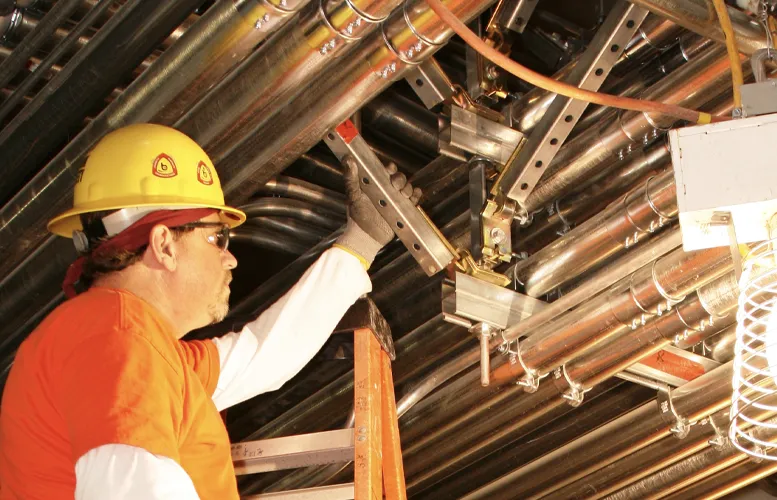
- Cable tray bracing
- Mechanical systems
- Storage racks
- Suspended ceilings
- HVAC systems
- Fire protection piping
Integrating these components into the overall seismic design creates a safer and more resilient facility.
Retrofitting Existing Buildings
Many older buildings were constructed before modern seismic design standards were introduced. These structures may have inadequate lateral resistance or outdated structural systems.
Seismic retrofitting strengthens existing facilities without requiring complete reconstruction.
Common retrofit techniques include:
- Installing steel braces
- Reinforcing concrete walls
- Strengthening beam-column connections
- Adding shear walls
- Improving foundation systems
- Upgrading structural connections
Retrofitting often provides a cost-effective solution for extending the service life of existing buildings while improving earthquake resistance.
The Role of Modern Engineering Technology
Advancements in engineering software have transformed seismic design. Modern finite element analysis, Building Information Modeling (BIM), and performance-based engineering enable engineers to evaluate complex structural behavior with exceptional accuracy.
Three-dimensional modeling allows designers to visualize stress distribution, identify weak areas, and optimize bracing layouts before construction begins.
Performance-based seismic engineering goes beyond minimum code requirements by evaluating how buildings will actually perform under different earthquake scenarios.
These technologies improve design accuracy while reducing unnecessary construction costs.
Best Practices for Earthquake-Resistant Design
Improving structural safety requires a comprehensive engineering approach rather than relying solely on stronger materials.
Some best practices include:
- Conduct thorough site-specific seismic investigations.
- Design structures according to current seismic building codes.
- Select appropriate bracing systems for each facility.
- Ensure proper detailing of structural connections.
- Secure mechanical and electrical equipment.
- Perform periodic structural inspections.
- Retrofit older buildings when necessary.
- Use advanced engineering analysis tools during design.
- Coordinate structural, mechanical, and architectural systems.
- Regularly update emergency preparedness and maintenance plans.
Following these practices helps facilities achieve better resilience against future seismic events.
Conclusion
Earthquake resilience begins with understanding risk and designing structures capable of resisting powerful ground motion. Seismic Hazard Analysis & Bracing Design provides engineers with the information needed to create safer, stronger, and more reliable facilities in earthquake-prone regions. From evaluating seismic hazards and selecting appropriate bracing systems to strengthening existing buildings and protecting critical equipment, every aspect of the design process contributes to improved structural performance.
As infrastructure continues to expand in seismically active areas, investing in professional Seismic Hazard Analysis & Bracing Design is no longer optional—it is an essential component of responsible engineering. By combining accurate hazard assessments, advanced structural analysis, and well-designed bracing systems, organizations can protect lives, minimize damage, reduce financial risk, and ensure long-term operational continuity even when faced with the challenges of major earthquakes.