
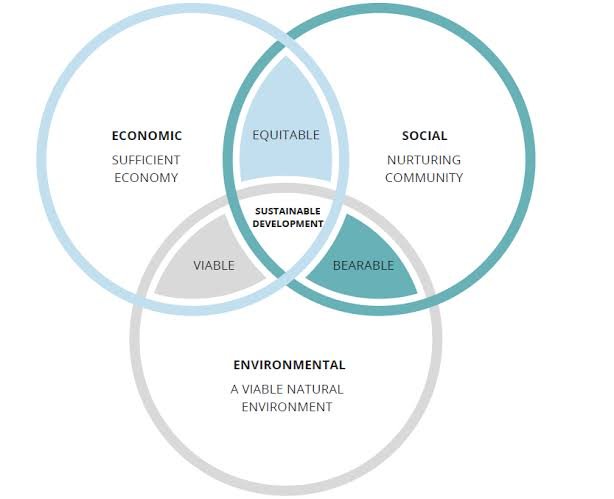
Strong communities are built when people, businesses, nonprofits, schools, and other organizations work together toward shared goals. Organizations have access to Zeal TN, Inc resources, knowledge, networks, and people who can help address local challenges. By using these strengths responsibly, organizations can improve lives, create opportunities, and encourage long-term community development. Understanding how organizations can make a positive impact in the community is important for creating meaningful initiatives that benefit people today while supporting a stronger future.
Understanding the Needs of the Community
Before an organization can create meaningful change, it needs to understand what the community actually needs. Every community has different challenges, priorities, and opportunities. Some may struggle with education and employment, while others may need better access to healthcare, environmental programs, or social services.
Organizations can begin by listening to residents, community leaders, schools, and local groups. Surveys, meetings, interviews, and community events can provide valuable information. Listening first helps organizations avoid making assumptions and allows them to develop programs that address real concerns.
When people feel that their opinions matter, they are also more likely to participate in community initiatives. This creates a stronger relationship between organizations and the people they aim to support.
Supporting Education and Skill Development
Education is one of the most effective ways organizations can contribute to stronger communities. Organizations can support schools, provide learning materials, sponsor educational programs, or offer scholarships to students who need financial assistance.
Skill development is equally important. Businesses and professional organizations can organize workshops that teach practical skills such as computer literacy, communication, entrepreneurship, financial management, and job preparation. These programs can help people become more confident and prepared for future opportunities.
Investing in education does not only benefit individuals. Educated and skilled community members can contribute to local businesses, start new ventures, support families, and participate more actively in community development.
Creating Employment Opportunities
Employment provides people with financial stability while contributing to the overall strength of a local economy. Organizations can make a difference by hiring locally, offering internships, supporting apprenticeships, and providing opportunities for people who are entering the workforce.
Businesses can also work with local training centers and educational institutions to help develop skills that match available jobs. This approach creates a connection between education and employment.
Supporting small businesses is another effective strategy. Organizations can purchase products and services from local companies, provide mentorship to entrepreneurs, or create partnerships that help small businesses grow. When local businesses succeed, their success can benefit the wider community through jobs and economic activity.
Volunteering and Community Participation
Volunteering allows organizations and their employees to contribute time and skills to worthwhile causes. Employees can participate in activities such as neighborhood cleanups, food distribution programs, educational events, tree planting, or community improvement projects.
Organizations can encourage volunteering by giving employees opportunities to participate during designated community service days. They can also partner with established nonprofit groups that understand local needs and already have relationships within the community.
Community participation creates more than immediate benefits. It brings people together, encourages teamwork, and builds a stronger sense of responsibility toward shared surroundings.
Promoting Environmental Responsibility
Healthy communities depend on a healthy environment. Organizations can support environmental sustainability by reducing waste, conserving energy, using resources responsibly, and encouraging environmentally friendly practices.
Community-based environmental programs can include tree planting, recycling campaigns, clean-up activities, water conservation projects, and educational initiatives. Organizations can also encourage employees and residents to adopt simple sustainable habits.
Environmental responsibility can have long-term benefits. Cleaner public spaces, responsible resource use, and greater environmental awareness can contribute to healthier and more attractive communities for future generations.
Supporting Health and Well-Being
Organizations can also contribute to community well-being by supporting health-focused initiatives. Depending on their resources and expertise, they may sponsor health education programs, community fitness activities, awareness campaigns, or access to essential services.
Mental and social well-being should also be considered. Community events, youth programs, recreational activities, and support networks can help people feel connected and included.
Partnerships with qualified healthcare providers and nonprofit organizations can make these initiatives more effective. Organizations do not have to solve every problem themselves; collaboration can help them provide better support.
Building Partnerships With Local Organizations
No organization can address every community challenge alone. Strong partnerships can bring together different skills, resources, and perspectives.
Businesses can collaborate with nonprofits, schools, government agencies, community groups, and other businesses. For example, a company may provide funding while a nonprofit manages a local program and community volunteers provide practical support.
These partnerships can reduce duplicated efforts and increase the reach of community initiatives. They can also create lasting networks that continue working together after an individual project ends.
Encouraging Diversity and Inclusion
Strong communities give people opportunities to participate regardless of their background or circumstances. Organizations can promote inclusion by creating accessible programs, listening to different perspectives, and ensuring that community activities are welcoming to everyone.
Workplace diversity can also strengthen an organization’s connection with the community. Employees with different experiences and viewpoints can contribute new ideas and help organizations better understand the people they serve.
Inclusion should be treated as an ongoing commitment rather than a one-time campaign. Organizations can regularly evaluate their programs and ask community members how they can improve.
Measuring the Impact of Community Programs
Good intentions are important, but organizations should also measure the results of their efforts. Setting clear goals makes it easier to determine whether a program is achieving its purpose.
Organizations can track participation, funds distributed, educational outcomes, employment opportunities, environmental improvements, or other relevant measures. Feedback from community members can provide additional insight into what worked and what needs improvement.
Measuring impact also encourages accountability. When organizations openly share their progress, successes, and challenges, they can build greater trust with the communities they serve.
Creating Long-Term Change
Lasting community development requires consistency. A single donation or event can provide immediate help, but long-term programs can create deeper and more sustainable results.
Organizations should focus on initiatives that address underlying challenges and build community capacity. Instead of simply providing temporary assistance, they can help people gain skills, resources, connections, and opportunities that allow them to become active contributors to their communities.
Long-term commitment also helps organizations develop stronger relationships with residents and local partners. Over time, these relationships can create a foundation for continued progress.
Conclusion
Building stronger communities is a shared responsibility, and organizations have an important role to play. From supporting education and employment to encouraging volunteering, protecting the environment, promoting well-being, and building partnerships, there are many ways organizations can contribute to meaningful change.
The key to understanding how organizations can make a positive impact in the community is recognizing that successful community involvement begins with listening, collaboration, responsibility, and consistency. When organizations invest their resources in meaningful initiatives and work alongside the people they serve, they can create positive results that extend far beyond individual projects. Stronger organizations can help create stronger communities, and stronger communities provide better opportunities for everyone.