
Water damage can happen suddenly because of heavy rain, burst pipes, overflowing appliances, blocked drains, or plumbing failures. Whatever the cause, standing water and excess moisture can quickly create serious problems for a property. Acting quickly after water enters a home or business is essential for reducing damage, protecting belongings, and creating a safer indoor environment. Timely flooding cleanup is an important part of the recovery process because water-related problems often become more complicated when they are left untreated.
Understanding the Importance of Quick Water Removal
When water remains inside a property, it can spread into floors, walls, ceilings, furniture, and other materials. Porous materials such as carpets, drywall, wood, and insulation can absorb moisture rapidly. Even when visible water appears to be limited, moisture may travel beneath flooring or inside walls.
Professional flooding cleanup focuses on removing standing water as soon as possible. Extraction equipment can help collect large amounts of water, while specialized drying equipment can reduce remaining moisture. Starting this process early can help prevent a manageable water problem from becoming a much larger restoration project.
Preventing Structural Damage
Water can gradually weaken building materials. Wooden flooring, framing, cabinets, and other components may swell, warp, crack, or deteriorate when exposed to moisture for extended periods. Drywall can also become soft and damaged.
Timely cleanup gives property owners a better opportunity to limit the amount of material affected. Professionals can identify areas where moisture has traveled and determine which materials may require drying, cleaning, repair, or replacement.
Reducing the Risk of Mold Growth
One of the major reasons to act quickly after water damage is the potential for mold growth. Mold can develop when moisture remains available in warm, damp environments. Wet carpets, drywall, furniture, and other materials can provide favorable conditions for mold if they are not dried properly.
Fast flooding cleanup can help reduce excessive moisture before mold has an opportunity to establish itself. Drying should involve more than simply removing visible water. Air movement, dehumidification, and moisture measurements may be necessary to determine whether affected areas have dried sufficiently.
Hidden Moisture Can Create Long-Term Problems
A property can appear dry on the surface while moisture remains underneath. Water can become trapped beneath flooring, behind baseboards, inside walls, or under cabinets. These hidden areas may continue causing problems long after the initial flooding event.
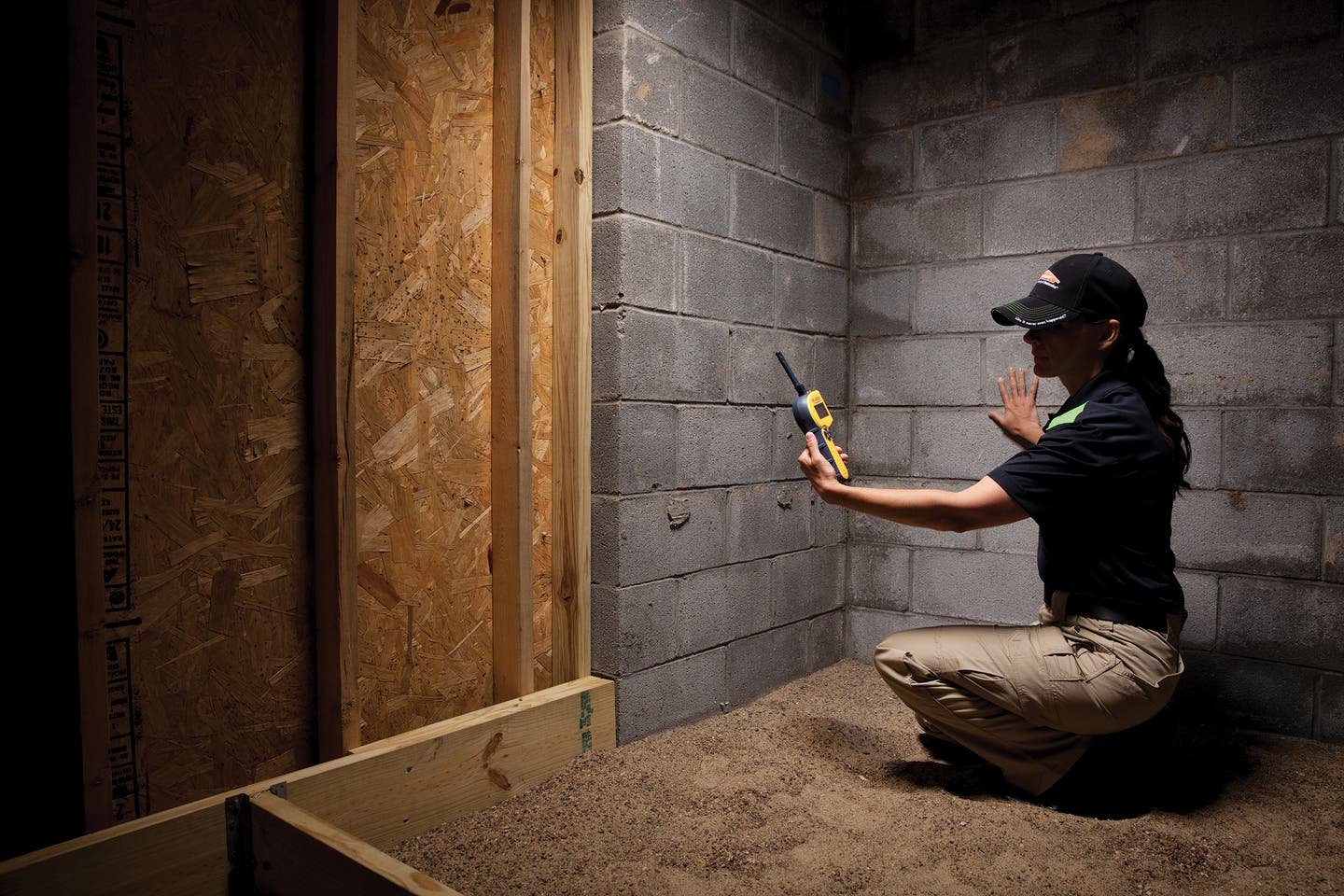
Moisture detection tools can help identify areas that are not visibly wet. Finding these locations early allows cleanup efforts to focus on the entire affected area rather than only the surfaces that can be seen.
Protecting Furniture and Personal Belongings
Flooding can damage more than the structure of a property. Furniture, clothing, documents, electronics, artwork, appliances, and other possessions may also be affected. Some items can be cleaned and restored when action is taken quickly.
Delays may increase the likelihood of permanent staining, odors, swelling, corrosion, or material deterioration. During flooding cleanup, belongings should be assessed carefully. Items that can be safely salvaged may need immediate drying or specialized cleaning, while severely damaged materials may require replacement.
Reducing Persistent Odors
Water damage can leave behind unpleasant odors, particularly when moisture remains in carpets, upholstery, wood, or other absorbent materials. These smells may become stronger as damp materials remain untreated.
Effective cleanup involves identifying the source of the odor rather than simply masking it with air fresheners. Removing contaminated materials when necessary and thoroughly drying affected areas can help address the underlying cause.
Improving Indoor Air Quality
Excess moisture can contribute to poor indoor environmental conditions. Damp materials may release unpleasant odors, and prolonged moisture can encourage biological growth. In addition, contaminated floodwater can introduce dirt, microorganisms, chemicals, and other unwanted substances into a property.
The type of water involved is an important consideration. Clean water from a supply line may require a different approach from water containing sewage or other contaminants. Professional flooding cleanup teams can evaluate the situation and use appropriate protective procedures, cleaning methods, and equipment.
Limiting the Overall Cost of Repairs
Fast action can potentially reduce the scope of repairs. A small area of water damage may be easier to dry and restore before moisture spreads throughout a structure. Waiting can allow water to travel farther and damage additional materials.
For example, a wet section of flooring may initially be manageable, but prolonged exposure could cause subfloor damage, swelling, or deterioration. Similarly, moisture in drywall can spread to surrounding areas. Early intervention may therefore help property owners avoid unnecessary replacement and more extensive restoration work.
Faster Cleanup Supports Faster Recovery
Water damage can disrupt normal routines for families and business operations. Rooms may become unusable, furniture may need to be moved, and important activities may have to stop temporarily.
Timely flooding cleanup can accelerate the recovery process by addressing water extraction, drying, cleaning, and damage assessment in an organized manner. Businesses may also benefit from reducing downtime and returning affected areas to usable condition sooner.
Why Professional Cleanup Can Be Valuable
Some minor water spills can be handled with household equipment, but significant flooding often requires specialized tools and experience. Professional restoration teams may use commercial water extractors, air movers, dehumidifiers, moisture meters, and other equipment designed for water damage recovery.
Professionals can also evaluate the extent of the damage and identify areas that may not be obvious to a property owner. This is particularly useful when water has entered walls, flooring systems, ceilings, or other concealed spaces.
Safety Should Remain a Priority
Flooded properties can contain hazards that are difficult to identify immediately. Electrical equipment may come into contact with water, floors can become slippery, and contaminated water may contain harmful substances. Structural materials may also become unstable after extensive exposure.
Property owners should avoid entering dangerous areas unnecessarily. If electrical hazards, sewage contamination, major structural damage, or extensive flooding are present, qualified professionals should be contacted to assess the situation.
Steps to Take After Water Damage
The first priority after flooding is to address immediate safety concerns. If it is safe to do so, the source of the water should be stopped. Electricity should only be turned off when it can be done safely. Valuable items can be moved away from affected areas when possible.
Next, standing water should be removed as quickly as practical. Wet materials should be identified, and ventilation and drying should begin where appropriate. Photographs and documentation of the damage can also be useful for insurance and restoration records.
Avoiding unnecessary delays is particularly important. Even a situation that looks relatively minor can develop into a larger moisture problem if affected areas remain wet.
Building a Better Response to Future Water Damage
Property owners can prepare for future incidents by knowing where the main water shutoff is located, maintaining plumbing systems, cleaning gutters and drainage areas, and inspecting roofs and seals for potential weaknesses. Businesses can also develop emergency response procedures so employees know what to do when water damage occurs.
Having access to a reliable restoration service before an emergency happens can make the response more organized. Quick communication can help ensure that water extraction and drying begin as soon as possible.
Conclusion
Timely flooding cleanup matters because water damage can continue developing after the initial incident. Standing water and hidden moisture can affect building materials, belongings, indoor conditions, and the overall cost of restoration. Prompt water removal, thorough drying, careful cleaning, and proper assessment can help limit the consequences of a flooding event.
The most important lesson is simple: visible water is only part of the problem. Moisture can move into places that are difficult to see and may continue causing damage if left untreated. Taking action quickly gives property owners a better opportunity to protect their buildings, belongings, and daily routines while supporting a faster and more controlled recovery.