
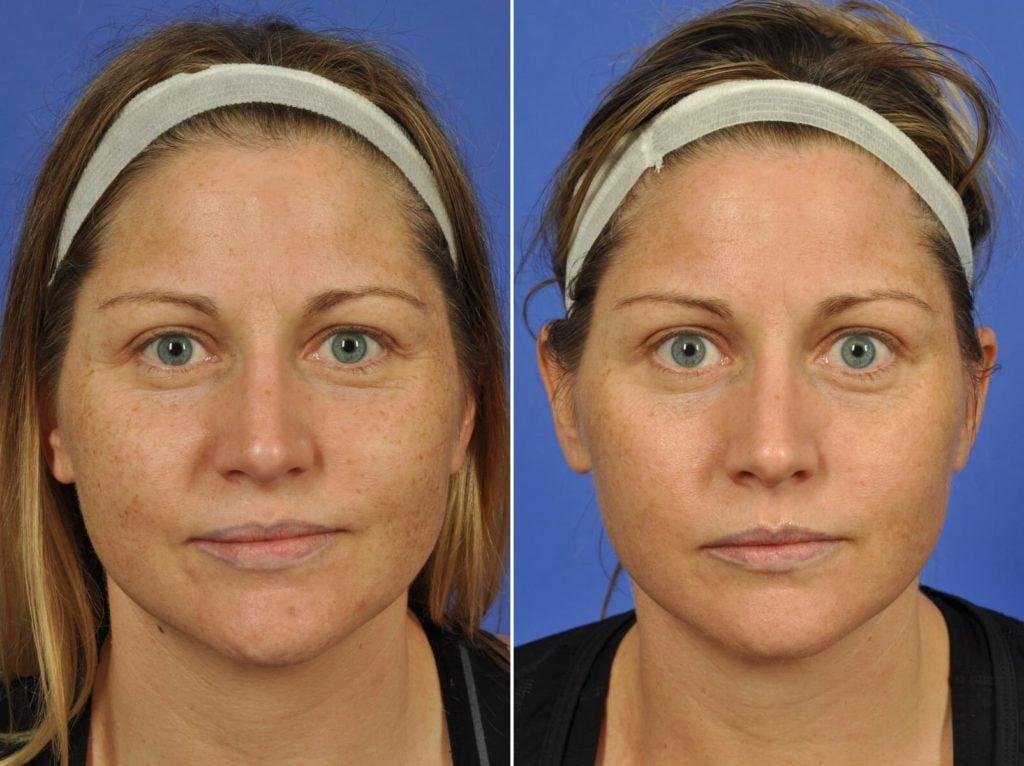
Hyperpigmentation is one of the most common skin concerns worldwide. Whether triggered by stubborn acne scars, hormonal shifts, or years of soaking up the sun without adequate protection, dealing with uneven skin tone can feel frustrating. When over-the-counter creams, chemical peels, and serums fail to deliver the clear complexion you desire, it is natural to explore more advanced options. Today, Laser Treatments for Hyperpigmentation stand out as some of the most effective medical-grade solutions available for restoring radiance and clarity to the skin.
However, diving straight into a laser procedure without proper preparation can lead to mismatched expectations, prolonged downtime, or even adverse skin reactions. Your journey to a spotless, glowing complexion begins long before the laser touches your skin; it begins in the dermatologist’s office during your initial consultation. Preparing adequately for this first meeting ensures that you find a qualified professional, understand your unique skin needs, and set realistic goals for your treatment journey.
Understanding Hyperpigmentation and How Lasers Work
Before stepping into a clinic, it helps to understand what you are treating and how advanced technology can help. Hyperpigmentation occurs when excess melanin—the pigment responsible for giving our skin, hair, and eyes their color—is produced in specific areas of the skin, leading to dark patches or spots. Common forms include sun spots, age spots, melasma, and post-inflammatory hyperpigmentation left behind by blemishes or injuries.
What Causes Hyperpigmentation
The root causes of excess pigment vary significantly from person to person. Sun exposure stimulates melanin production as a defense mechanism, resulting in sun spots or freckles. Hormonal fluctuations, particularly during pregnancy or while taking birth control pills, can trigger symmetrical brown patches typically referred to as melasma. Meanwhile, post-inflammatory hyperpigmentation arises when an injury or inflammation, such as severe acne, eczema, or a burn, provokes the skin’s melanocytes to overproduce pigment during the healing process.
How Laser Treatments for Hyperpigmentation Target Dark Spots
Lasers utilize concentrated beams of light focused at specific wavelengths to address these pigment issues. The core principle behind these procedures is selective photothermolysis. The laser energy targets the excess melanin accumulated in the skin layers without damaging the surrounding tissue. Depending on the type of laser used, the energy either shatters the pigment particles into microscopic fragments that the body’s lymphatic system naturally clears away, or it gently resurfaces the upper layers of the skin to encourage fresh, evenly pigmented skin cells to take their place.
Types of Laser Treatments for Hyperpigmentation
Not all lasers are created equal, and understanding the broad categories will make you a more informed participant during your consultation.
Ablative vs Non-Ablative Lasers
Ablative lasers remove the thin outer layer of the skin while simultaneously heating the underlying dermis, stimulating collagen production and encouraging the growth of new, unpigmented skin cells. While highly effective, they typically require a longer recovery period. Non-ablative lasers, on the other hand, bypass the surface layer entirely, delivering heat deep into the skin to stimulate healing and target pigment without breaking the skin barrier. These treatments usually involve minimal to no downtime, making them popular for busy individuals.
Popular Laser Technologies
Your practitioner may discuss several specific technologies during your consultation. Q-switched lasers are legendary for shattering stubborn pigment and tattoo ink. Picosecond lasers deliver ultra-short pulses of energy, reducing the risk of heat damage and making them safer for a wider variety of skin tones. Fractional lasers treat microscopic columns of skin, leaving surrounding areas untouched to accelerate healing. Each technology has its own strengths, which is why a personalized evaluation is completely indispensable.
Why Your First Consultation Matters
Many people view a consultation as a mere formality before booking a procedure, but it is actually the most critical step in your skincare journey. A thorough consultation protects your skin’s health and ensures your financial investment yields the best possible outcome.
Skin Typing and Safety
Your skin type—specifically your position on the Fitzpatrick scale—plays a massive role in determining which laser is safe for you. Darker skin tones have more active melanocytes, which can react poorly to certain high-heat lasers, potentially leading to paradoxical hyperpigmentation or hypopigmentation (loss of pigment). A skilled practitioner will assess your skin type carefully to choose a device that treats your pigmentation safely without risking your natural skin color.
Identifying the Root Cause
Treating melasma the same way you treat a simple sun spot can actually worsen the condition. A professional consultation allows a dermatologist or licensed aesthetician to diagnose the exact cause of your discoloration. They may use specialized tools like a Wood’s lamp to see how deep the pigment goes into the skin layers, ensuring that the proposed treatment plan matches the diagnosis.
How to Prepare for Your Consultation
To make the most of your first appointment, a little homework goes a long way. Proper preparation ensures you leave the office with clear answers and a customized plan you feel confident about.
Document Your Skin History and Current Regimen
Bring a complete list of the skincare products you currently use, including prescription topicals, over-the-counter acids (like glycolic or salicylic acid), and retinoids. Be ready to discuss your medical history, including any history of cold sores, scarring tendencies, or medications that make your skin photosensitive. If you have tried previous treatments for your hyperpigmentation, note what worked, what did not, and whether you experienced any adverse reactions.
List Your Questions and Goals
Write down your specific goals and questions before you arrive. Consider what downtime you can realistically accommodate in your schedule. Helpful questions to ask include:
- What specific type of hyperpigmentation do I have?
- Which laser technology do you recommend for my skin tone, and why?
- How many sessions will I need to see significant results?
- What are the potential side effects, and how are they managed?
- What is the total estimated cost of the treatment plan?
Pre-Consultation Skincare Adjustments
Depending on the practitioner’s guidelines, you may need to prepare your skin weeks before you even step foot in the clinic. Many practitioners will ask you to strictly avoid unprotected sun exposure and tanning beds for at least four weeks prior to your appointment, as tanned skin absorbs laser energy differently and increases the risk of complications. You may also be asked to pause the use of active ingredients like retinoids, benzoyl peroxide, or strong chemical exfoliants a few days or weeks before your assessment to ensure your skin barrier is calm and resilient.
What to Expect During and After the Consultation
When you arrive for your appointment, expect a comprehensive dialogue rather than a quick sales pitch. The practitioner will examine your skin under bright, specialized lighting, discuss your medical background, and evaluate your lifestyle factors, such as your daily sun exposure and occupation.
In some cases, the clinic may perform a patch test on a small, discrete area of your skin to see how it responds to the laser energy before scheduling the full procedure. This extra precaution guarantees that your skin handles the wavelength safely. You will also receive a detailed cost breakdown, pre-treatment care instructions, and post-care guidelines covering everything from gentle cleansers to strict daily mineral sunscreen application.
Conclusion
Embarking on a journey to clear, even-toned skin is an exciting step toward boosting your confidence and investing in your skin health. While the array of advanced technologies can feel overwhelming at first, Laser Treatments for Hyperpigmentation offer life-changing results when performed by an experienced professional. By understanding the basics of how these treatments work and taking the time to thoroughly prepare for your initial meeting, you pave the way for a safe, successful, and transformative skincare experience. Take that first step, ask the right questions, and look forward to revealing your skin’s natural radiance.