
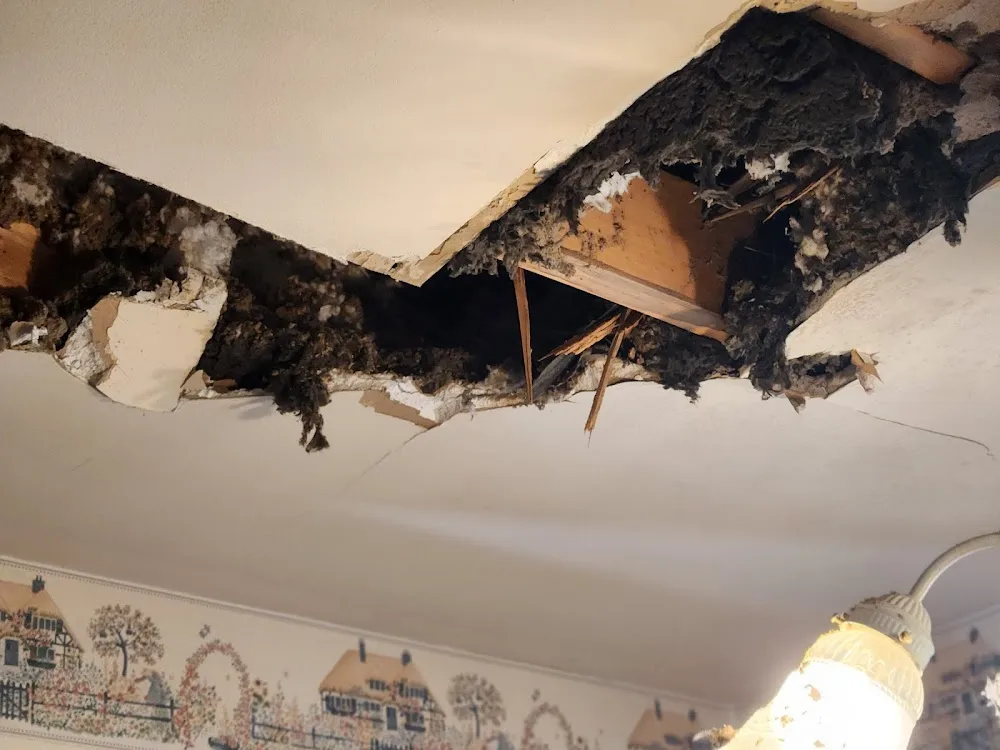
Unexpected disasters—whether in the form of a flash flood, a devastating house fire, severe storm damage, or a burst pipe—can transform a peaceful home or thriving business into a chaotic scene in just minutes. In the immediate aftermath, property owners often feel overwhelmed by shock, uncertainty, and the daunting prospect of restoration. While the temptation to handle the initial clean-up independently may arise from a desire to save money or gain immediate control, self-managed restoration often leads to hidden hazards, incomplete remediation, and costly long-term structural issues. Engaging professional disaster cleanup services is not merely a convenience; it is a critical necessity to ensure safety, preserve structural integrity, and fully recover property value.
The Immediate Safety Hazards of Post-Disaster Environments
When a disaster strikes, it leaves behind far more than visible clutter or surface damage. The environment immediately becomes unpredictable and fraught with potential dangers that require specialized safety protocols.
Biological and Chemical Contaminants
Water damage from sewage backups, storm surges, or local flooding is categorized into different levels of contamination. Category 3 water, commonly referred to as black water, contains severe pathogens, bacteria, pesticides, and raw sewage. Attempting disaster cleanup without personal protective equipment (PPE) and industrial sanitation chemicals exposes individuals to severe health risks, including gastrointestinal infections, skin reactions, and respiratory illnesses.
Hidden Electrical and Structural Threats
Fire and water damage compromise the physical safety of a structure. Saturated drywall can collapse without warning, while weakened load-bearing beams present severe collapse risks. Furthermore, standing water combined with exposed wiring creates an extreme risk of electrocution. Professional disaster cleanup teams conduct preliminary hazard assessments to ensure the area is safe before initiating any physical recovery work.
Specialized Equipment and Advanced Techniques
Effective property restoration requires far more than basic household cleaning supplies, mops, or standard shop vacuums. Professional disaster cleanup companies invest in state-of-the-art technology designed specifically to handle large-scale environmental remediation.
Industrial-Grade Moisture Extraction and Drying
Moisture often penetrates deep beneath hardwood floors, behind drywall, and into subflooring or insulation. Standard fans or household dehumidifiers simply cannot extract deeply trapped moisture. Professionals utilize high-capacity air movers, LGR (Low Grain Refrigerant) dehumidifiers, and thermal imaging cameras to locate hidden moisture pockets and dry the property thoroughly from the inside out.
Odor Elimination and Air Quality Control
Fires produce dense smoke and soot that deposit fine particulate matter into wall cavities, HVAC systems, and porous materials. Simply painting over soot or spraying air fresheners only masks the odor temporarily while toxic particles linger in the air. Professional crews employ thermal fogging, hydroxyl generators, and HEPA air scrubbers to neutralize smoke particles at the molecular level, restoring healthy indoor air quality.
Preventing Secondary Damage and Mold Growth
One of the most compelling reasons to hire experts immediately after an emergency is the prevention of secondary damage—most notably, mold growth.
The 24- to 48-Hour Mold Window
Microscopic mold spores exist naturally in the air, but they require moisture and organic material to proliferate. Following water intrusion, mold can begin colonizing surfaces within 24 to 48 hours. Once mold takes root, it destroys building materials, degrades air quality, and triggers severe allergic reactions and respiratory problems for occupants. Timely disaster cleanup stops mold before it takes hold.
Preserving Structural Materials
Prolonged exposure to excess humidity and standing water causes wooden framing to warp, drywall to crumble, and metal components to rust. Rapid response and continuous environmental monitoring by trained restoration specialists mitigate these secondary effects, preserving the core structure of the building and preventing unnecessary demolition costs.
Comprehensive Insurance Claim Support
Navigating an insurance claim following a disaster can be an agonizing, complex process. Insurers require detailed proof of loss, precise documentation, and accurate estimates to process claims efficiently.
Detailed Loss Documentation
Professional disaster cleanup teams work closely with property insurance providers. They document the damage thoroughly using high-resolution photographs, moisture logs, and itemized inventories of damaged contents. This comprehensive record ensures that no hidden damage is overlooked during the assessment.
Navigating Policy Requirements
Many insurance policies explicitly state that property owners must take immediate action to mitigate further damage after a loss occurs—a concept known as the duty to mitigate. Hiring professional disaster cleanup specialists fulfills this obligation, protecting policyholders from potential claim denials or reduced payouts resulting from neglect or delayed action.
Restoring Peace of Mind and Speeding Up Recovery
The emotional toll of property destruction is significant. Managing the physical labor of property restoration while dealing with displacement, loss of personal keepsakes, or business interruption adds immense stress.
Rapid Turnaround and Efficiency
Trained restoration crews operate with organized efficiency, utilizing structured protocols to execute tasks concurrently. What might take an untrained individual weeks of grueling labor can often be accomplished in a fraction of the time by an experienced disaster cleanup team. Fast recovery minimizes downtime for businesses and helps families return to their normal lives as quickly as possible.
Total Property Restoration Beyond Surface Cleaning
True cleanup is not just about removing debris; it is about restoring the property to its pre-loss condition. Professional services cover every phase of the process, including contents pack-out, structural drying, antimicrobial sanitization, and final repairs. This end-to-end approach ensures that every square foot of the property meets health and safety standards.
Conclusion
Unexpected property damage is one of the most challenging events a homeowner or business owner can experience. While the impulse to manage the aftermath independently is understandable, the invisible risks—ranging from biohazards and toxic mold to structural instability and insurance complications—make DIY attempts highly risky. Engaging professional disaster cleanup specialists guarantees access to the technical expertise, advanced machinery, and rigorous safety protocols necessary for complete remediation. By entrusting your recovery to certified professionals, you safeguard your health, protect your financial investment, and ensure your property is safely restored to a clean, safe, and welcoming state.