
Hurricanes can bring powerful winds, heavy rainfall, flooding, and widespread power outages. Even after the storm passes, electrical service may remain unavailable for hours or several days. For homeowners and businesses, having a reliable hurricane backup power solution can make a major difference during these challenging situations.
Backup power helps keep essential equipment operating when the main electrical grid goes down. Depending on the system selected, it can support important household appliances, communication devices, lighting, refrigeration, and other necessary equipment. Preparing a backup power system before hurricane season is therefore an important part of storm readiness.
Why Hurricane Backup Power Is Important
Power outages are one of the most common consequences of severe storms. High winds can damage electrical infrastructure, while flooding and falling trees can disrupt power lines and equipment. Restoration can take time, particularly when a large region is affected.
A hurricane backup power system provides an alternative source of electricity during an outage. Instead of relying entirely on the utility grid, homeowners can use stored or generated energy to operate selected devices.
Backup power can be particularly useful for:
- Refrigerators and freezers
- Mobile phones and communication equipment
- Internet routers
- Emergency lighting
- Fans
- Medical equipment that requires electricity
- Security systems
- Sump pumps
- Essential home electronics
The goal is not necessarily to power every appliance in the house. A well-designed system focuses on the equipment that is most important during an emergency.
Types of Hurricane Backup Power Systems
There are several backup power options available, and each has different advantages.
Portable Power Stations
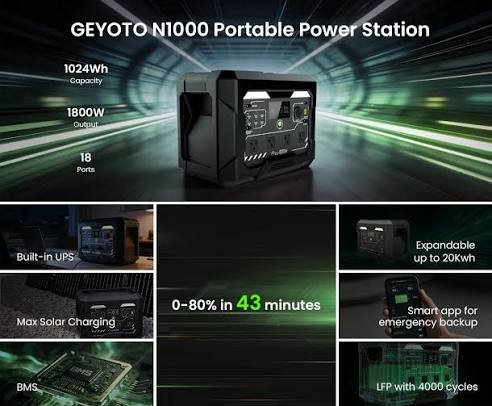
Portable power stations use rechargeable batteries to store electricity. They can be charged before a storm and used during an outage.
These systems are generally convenient because they do not require fuel and can operate quietly. They are useful for smaller electrical loads such as phones, lights, laptops, routers, and selected household devices.
Their capacity varies significantly, so homeowners should check the battery capacity and output rating before purchasing one.
Standby Generators
Standby generators are permanently installed systems designed to provide backup electricity automatically when utility power fails. They can support larger electrical loads than many portable battery systems.
Because installation typically involves electrical and fuel-system work, standby generators should be installed and maintained by qualified professionals. Proper installation is especially important because incorrect generator connections can create serious electrical hazards.
Portable Generators
Portable generators can provide substantial power and are commonly used during extended outages. They may operate using fuels such as gasoline or propane, depending on the model.
However, fuel-powered generators require careful handling. They must always be operated outdoors in a properly ventilated location because their exhaust can contain dangerous carbon monoxide. They should never be operated inside a home, garage, basement, or enclosed area.
Solar Battery Backup Systems
Solar-powered backup systems combine batteries with solar panels. During an outage, stored battery energy can provide electricity, while solar panels may help recharge the batteries when sunlight is available.
These systems can be useful for longer emergencies because solar energy can reduce dependence on fuel supplies. However, their performance depends on system capacity, weather conditions, available sunlight, and energy consumption.
How to Choose the Right Hurricane Backup Power
Choosing backup power begins with identifying which devices are essential. Make a list of the equipment you would need during a prolonged outage and determine how much electricity each item consumes.
For example, a basic emergency setup might prioritize:
- Refrigerator
- Emergency lights
- Phone chargers
- Internet equipment
- Fans
- Essential electronics
Once the essential loads are identified, consider the system’s continuous power output and battery or fuel capacity.
A system that is too small may shut down when several appliances operate simultaneously. A system that is much larger than necessary may cost more than needed. Finding the appropriate balance can help create a practical emergency power solution.
Battery Capacity and Runtime
For battery-based hurricane backup power, capacity is usually measured in watt-hours. A higher capacity generally means the system can store more energy.
However, actual runtime depends on the power requirements of connected devices. For example, a small device may operate for many hours from a relatively modest battery, while high-power appliances can consume stored energy much faster.
When calculating backup requirements, consider both the power used by each appliance and how long you expect to operate it. Reducing unnecessary electricity consumption can significantly extend backup runtime.
Preparing Before Hurricane Season
The best time to prepare for a hurricane-related outage is before a storm threatens your area. Waiting until the last minute can make it difficult to find available equipment, fuel, batteries, or professional installation services.
Before hurricane season, inspect your backup equipment and confirm that it is ready for use. Recharge battery systems, test generators according to their manufacturer’s instructions, inspect cables and connections, and replace damaged components.
If you use a fuel-powered generator, store fuel safely and follow local regulations. Never store or use fuel in an unsafe location.
It is also useful to keep an emergency kit containing flashlights, batteries, charging cables, and other essential supplies.
Safety Considerations
Safety should always be the highest priority when using hurricane backup power.
Fuel-powered generators produce exhaust gases that can be dangerous. Always operate them outdoors and keep them well away from doors, windows, and ventilation openings. Carbon monoxide can accumulate quickly in enclosed spaces.
Never connect a portable generator directly to household electrical wiring unless the system has been properly designed and installed with the appropriate transfer equipment by a qualified professional. Improper connections can create dangerous backfeeding conditions that may endanger utility workers and occupants.
Battery systems should also be used according to their manufacturer’s instructions. Keep equipment dry, protect it from flooding, and avoid using damaged batteries or cables.
Managing Power During an Extended Outage
During a long hurricane-related outage, electricity should be used carefully. Start with essential devices and avoid unnecessary loads.
For battery systems, turning off equipment when it is not needed can preserve stored energy. Refrigerators and freezers should generally remain closed as much as possible to help maintain their internal temperature.
LED lighting can also reduce electricity consumption compared with older, less-efficient lighting technologies. Charging phones and other devices strategically can help conserve backup capacity.
If an outage lasts longer than expected, monitor the remaining battery level or fuel supply and prioritize critical equipment.
Maintenance Matters
A backup power system is only useful if it works when needed. Regular maintenance can help identify problems before an emergency.
Battery backup systems should be periodically inspected and charged according to manufacturer recommendations. Generators may require oil changes, filter replacement, battery checks, and other scheduled maintenance.
Keep user manuals and important operating information somewhere accessible. If multiple people in the household may need to operate the equipment, everyone should understand the basic safety procedures.
Combining Backup Power With a Broader Emergency Plan
Hurricane backup power should be one part of a larger emergency preparedness strategy. Electricity alone cannot address every challenge caused by severe weather.
A complete plan can include emergency water, food, medications, flashlights, first-aid supplies, communication devices, weather alerts, evacuation information, and important contact numbers.
It is also wise to understand local evacuation routes and emergency instructions before hurricane conditions develop.
Conclusion
Reliable hurricane backup power can provide valuable support when severe weather interrupts the electrical grid. Portable power stations, generators, and solar battery systems offer different ways to keep essential equipment operating during an outage.
The right choice depends on your home’s energy requirements, expected outage duration, budget, available space, and preferred power source. Most importantly, backup equipment should be installed, operated, and maintained safely.
By preparing before hurricane season, identifying essential electrical loads, testing equipment, and following proper safety practices, households can be better prepared to manage power outages and maintain important services when a hurricane affects their community.