
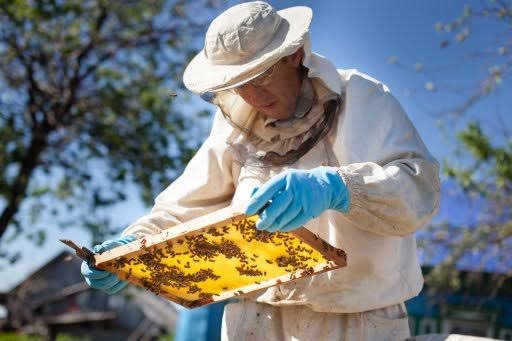
Beekeeping is a fascinating hobby that combines nature, practical skills, and an appreciation for one of the most important pollinators in the world. For beginners, getting started may seem complicated because there are different types of hives, tools, protective Stephen Gleave Ancaster equipment, and seasonal tasks to understand. However, with proper preparation and patience, learning the basics can make beekeeping an enjoyable and rewarding activity.
Whether you are interested in producing honey, supporting pollinators, or simply learning more about bees, understanding the essential equipment and responsibilities is an excellent first step.
Understanding the Basics of Beekeeping
Beekeeping involves managing colonies of honey bees in specially designed hives. A typical colony contains a queen, worker bees, and drones. Each type of bee has a different role within the colony, and the colony works together to collect food, raise young bees, maintain the hive, and survive changing weather conditions.
A beekeeper’s role is not simply to collect honey. Good beekeeping involves monitoring the colony, providing suitable living conditions, identifying potential problems, and helping the bees remain healthy. Beginners should take time to learn basic bee behavior before purchasing equipment or starting a colony.
Local climate and regulations can also affect how beekeeping should be practiced. Checking local rules and learning about regional bee management practices can help new beekeepers prepare appropriately.
Choosing the Right Hive
One of the most important decisions for a beginner is selecting a suitable hive. Several hive designs are commonly used, with the Langstroth hive being one of the most recognizable options. It uses removable frames that make it easier to inspect the colony and manage honey production.
Top-bar hives are another option. Instead of using conventional rectangular frames, they have horizontal bars from which bees build their comb. Some beginners appreciate their relatively simple design and natural approach to comb construction.
Warre hives are also used by some beekeepers and are designed around a more vertical colony structure. Each hive style has advantages and disadvantages, so beginners should research how each system works before making a decision.
The best hive is one that matches the beekeeper’s experience, local conditions, available space, and preferred management approach.
Essential Protective Equipment
Safety should always be a priority when working with bees. Even experienced beekeepers use protective equipment because bee colonies can become defensive, particularly when the hive is disturbed.
A bee suit or protective jacket can provide coverage for the body and reduce the chance of stings. A properly fitted veil protects the face and neck while allowing the beekeeper to see clearly.
Gloves are another common piece of protective equipment. Some beekeepers prefer thicker gloves for additional protection, while others eventually become comfortable using lighter gloves or working without them. Beginners should choose equipment that provides confidence without restricting movement.
Closed shoes or boots and long trousers can provide additional protection. Keeping protective clothing clean and in good condition is also important.
Important Beekeeping Tools
A few basic tools can make hive inspections much easier. One of the most useful is the hive tool. It can help separate frames, remove components, and scrape away unwanted buildup.
A bee smoker is another traditional tool. It produces cool smoke that can help calm bees during certain hive inspections. Beginners should learn how to use a smoker responsibly and avoid excessive smoke.
A bee brush may also be useful for gently moving bees away from equipment when necessary. Feeders can provide supplemental food when natural resources are limited, although feeding practices should be based on local conditions and sound beekeeping guidance.
A sturdy hive stand is also helpful because it keeps the hive elevated from the ground and can improve protection from moisture and some pests.
Selecting Your First Colony
Once the equipment is ready, beginners need to consider where their bees will come from. New colonies are often obtained as packaged bees, nucleus colonies, or established colonies from reputable beekeepers.
A nucleus colony, often called a nuc, usually contains several established frames with bees, brood, and food stores. Because the colony is already developing, it can be a practical option for beginners.
When purchasing bees, it is important to work with a reputable local supplier or experienced beekeeper. Healthy colonies and locally appropriate bees can make the learning process easier.
Beginners should avoid making decisions based solely on the price of a colony. Colony health, supplier reputation, local suitability, and support are all important considerations.
Finding a Suitable Hive Location
Location can have a major effect on a colony’s success. Hives should generally be positioned somewhere that receives appropriate sunlight, has good drainage, and provides protection from strong winds.
Bees also need access to flowering plants and clean water. Gardens, fields, trees, and other flowering vegetation can provide valuable forage throughout the season.
The hive should be positioned where routine inspections are practical. At the same time, it should not create unnecessary problems for neighbors, pets, or people who regularly use the surrounding area.
Before installing a hive, beginners should check local laws and property requirements. Some areas have specific rules concerning hive placement, registration, fencing, or water sources.
Learning to Inspect a Hive
Regular hive inspections help beekeepers understand what is happening inside the colony. During an inspection, beginners may look for the queen or signs that she is present, observe brood patterns, check food stores, and look for signs of pests or disease.
Inspections should be calm and organized. Avoid unnecessary disturbance, and keep notes about what you observe. Recording dates, weather conditions, colony behavior, and important observations can make it easier to recognize changes over time.
Beginners should also learn the difference between normal bee activity and warning signs. Unusual behavior, declining colony strength, abnormal brood patterns, or evidence of pests may require advice from an experienced beekeeper or local bee specialist.
Understanding Seasonal Beekeeping
Beekeeping changes throughout the year. During spring, colonies may expand rapidly as flowers become available. This can be an important period for monitoring colony growth and preparing for potential swarming.
Summer often brings strong foraging activity, depending on local conditions. Beekeepers may need to monitor food availability, hive ventilation, pests, and colony development.
Autumn is generally a preparation period. Bees need adequate food stores to survive periods when flowers are scarce. Winter management varies considerably depending on the local climate.
Because seasonal conditions differ from one region to another, beginners should learn from local beekeepers and region-specific educational resources rather than following a single calendar.
Helpful Tips for New Beekeepers
One of the best tips for beginners is to start small. Managing one or two colonies allows new beekeepers to gain experience without becoming overwhelmed.
Joining a local beekeeping club can also be extremely helpful. Experienced beekeepers can demonstrate inspections, explain equipment, and provide practical advice based on local conditions.
Education should be an ongoing part of the hobby. Books, courses, workshops, and reliable beekeeping organizations can help beginners understand bee biology, colony management, pests, diseases, and seasonal practices.
Patience is equally important. Bees do not always behave exactly as expected, and successful beekeeping requires observation and adaptation.
Conclusion
Beekeeping for beginners involves much more than keeping bees in a box. It requires understanding bee behavior, choosing appropriate equipment, maintaining healthy colonies, and learning how environmental conditions influence the hive.
A suitable hive, protective clothing, essential tools, and a reliable source of bees provide a strong foundation. From there, regular observation, careful inspections, local knowledge, and continued education can help beginners develop their skills.
With patience and responsible management, beekeeping can become a rewarding way to connect with nature while learning about the remarkable organization and behavior of honey bee colonies.