
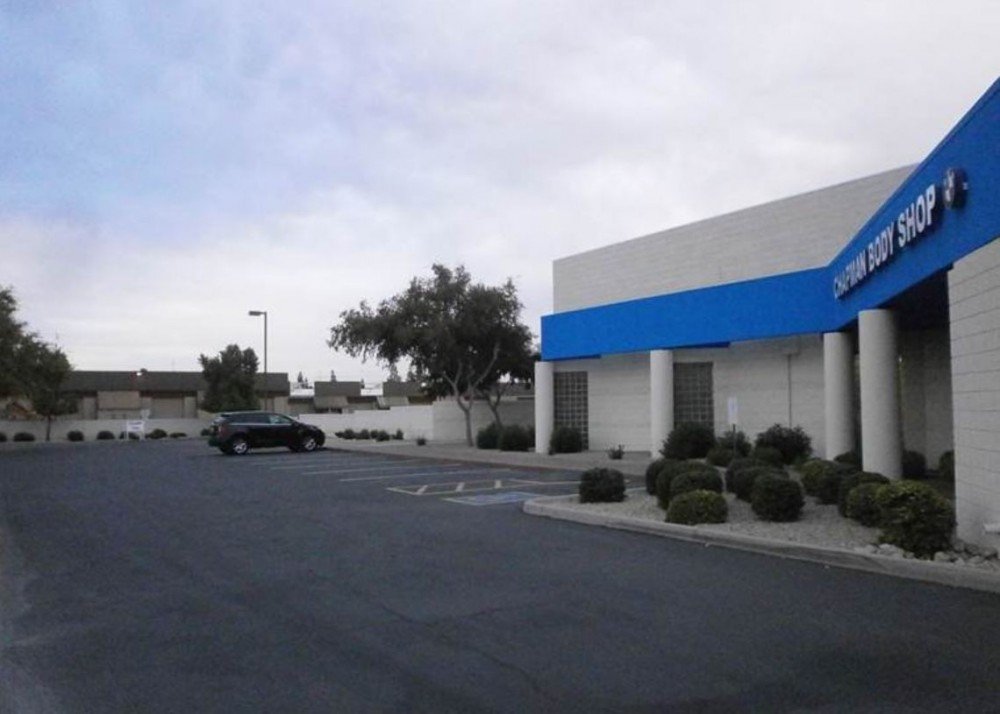
When your vehicle has been damaged in an accident, choosing the right repair facility is an important decision. Collision damage can range from small dents and scratches to major structural problems that affect safety and drivability. Searching online for a collision shop near me can provide many options, but location alone should not determine where you take your vehicle.
A good collision repair shop should combine experienced technicians, quality parts, modern equipment, clear communication, and dependable customer service. Before handing over your vehicle, asking the right questions can help you understand the repair process, expected costs, timelines, and quality standards.
Is the Collision Shop Experienced With My Vehicle?
One of the first questions to ask is whether the shop regularly repairs your specific make and model. Different vehicles can have unique body structures, materials, sensors, electronics, and safety systems.
A shop experienced with your vehicle is more likely to understand its repair requirements. Ask how long the technicians have been performing collision repairs and whether they have experience handling vehicles similar to yours.
Experience becomes especially important when your vehicle includes advanced driver-assistance systems, aluminum body panels, cameras, radar sensors, or other specialized components.
Can You Provide a Detailed Written Estimate?
Before authorizing repairs, ask for a written estimate that clearly explains the expected work. The estimate should identify labor, parts, materials, paint-related expenses, and other applicable charges.
A detailed estimate makes it easier to understand what you are paying for. It also helps prevent confusion if additional damage is discovered after disassembly.
Ask the shop what happens if the final repair cost becomes higher than the original estimate. A trustworthy facility should explain its process for handling supplemental damage and obtaining authorization before performing additional work.
Do You Work With My Insurance Company?
Insurance claims can make an already stressful situation more complicated. Ask whether the collision shop has experience working with your insurance provider and whether the staff can help with the claims process.
The shop should be able to explain which parts of the process it handles and which responsibilities remain with you. Keep in mind that insurance involvement does not automatically mean you should choose a particular repair facility.
You should still evaluate the shop based on repair quality, communication, equipment, experience, warranty coverage, and customer service.
What Parts Will You Use for the Repair?
Another important question concerns replacement parts. Collision repairs may involve original equipment manufacturer parts, aftermarket components, recycled parts, or other alternatives.
Ask what type of parts the shop plans to use and why. The answer may depend on your vehicle, insurance coverage, availability, manufacturer requirements, and the specific damaged component.
You should also ask whether the parts come with warranties. Understanding the parts policy before repairs begin can help you make an informed decision.
How Will You Handle Hidden Damage?
Not all collision damage is visible from the outside. A vehicle that appears to have only a damaged bumper may have problems underneath involving brackets, sensors, supports, wiring, or structural components.
Ask how technicians inspect for hidden damage. A professional facility should have a process for inspecting the vehicle after the damaged areas are opened or removed.
It is also useful to ask how the shop communicates newly discovered problems. You should know whether the technician will contact you before additional repairs are approved.
Do You Have Modern Collision Repair Equipment?
Modern vehicles often require more than traditional bodywork tools. Advanced measuring systems, frame equipment, computerized diagnostic tools, paint systems, and calibration equipment may be necessary depending on the vehicle.
When searching for a collision shop near me, ask whether the facility has the equipment required for your vehicle. A shop should be able to explain how its tools and equipment support accurate repairs.
Proper equipment is particularly important when collision damage affects the vehicle’s structure or electronic safety systems.
Will You Perform Safety System Calibrations?
Many newer vehicles contain cameras, radar sensors, parking sensors, lane-assistance systems, automatic emergency braking, and other technologies. Collision repairs can sometimes affect the positioning or operation of these systems.
Ask whether the shop checks and calibrates applicable safety systems after repairs. You can also ask whether diagnostic scans are performed before and after the repair.
These procedures can help identify electronic problems that might not be visible during a simple visual inspection.
How Long Will the Repair Take?
Repair time can vary considerably depending on the extent of damage, parts availability, insurance approvals, paint work, and required calibration.
Instead of simply asking for a specific completion date, ask what factors could affect the timeline. A professional shop should be able to provide an estimated schedule while explaining that unexpected damage or parts delays may change it.
You should also ask how the shop communicates updates if the completion date changes.
What Warranty Do You Offer?
A collision repair warranty can provide additional confidence after your vehicle leaves the shop. Ask exactly what the warranty covers and how long it remains valid.
Find out whether coverage applies to workmanship, paint, parts, or specific repairs. You should also ask whether there are limitations or exclusions.
A clear written warranty is preferable because you can review the terms before approving the work.
Can I See Reviews or Examples of Previous Work?
Online reviews can provide useful information about customer experiences. Look for comments about repair quality, communication, timeliness, professionalism, and how the shop handled unexpected problems.
You can also ask whether the shop can show examples of completed collision repairs. Before-and-after examples may help you understand the quality of the facility’s bodywork and paint finishing.
However, reviews should be considered alongside other factors rather than treated as the only measure of quality.
How Will You Protect My Vehicle During Repairs?
Your vehicle may remain at the facility for several days or longer. Ask how the shop protects vehicles while they are being repaired.
Questions can include where vehicles are stored, how finished surfaces are protected, and how the shop handles personal belongings left inside the vehicle.
Good organization and cleanliness can be positive indicators of a professional operation.
Will You Explain the Repair Process Before I Approve It?
Communication is one of the most important factors when selecting a collision repair facility. The technician or service representative should be willing to explain what needs to be repaired and why.
Do not hesitate to ask questions if you do not understand a technical term. A reputable shop should explain the repair plan in straightforward language rather than pressuring you to approve work immediately.
You should feel comfortable discussing concerns about cost, parts, timing, safety, and the final result.
What Should I Look for Before Choosing a Collision Shop Near Me?
Choosing a collision shop near me should involve more than selecting the closest location. Consider the shop’s experience, certifications or training, equipment, repair process, parts policy, warranty, communication, reviews, and ability to work with your vehicle’s technology.
The best choice is a facility that gives you clear information and demonstrates a commitment to proper repairs rather than simply promising the fastest or cheapest service.
Make an Informed Decision Before Repairs Begin
Collision damage can be stressful, but asking the right questions can make the repair process easier to manage. Before selecting a shop, ask about experience, estimates, parts, hidden damage, equipment, safety-system calibration, repair timelines, warranties, and communication.
A reputable collision repair facility should welcome reasonable questions and provide clear answers. Taking a little time to evaluate your options can help you choose a shop that focuses on restoring your vehicle properly, safely, and professionally.
Ultimately, the goal is not simply to find a shop that is nearby. It is to find a collision repair facility you can trust with your vehicle and your safety.