
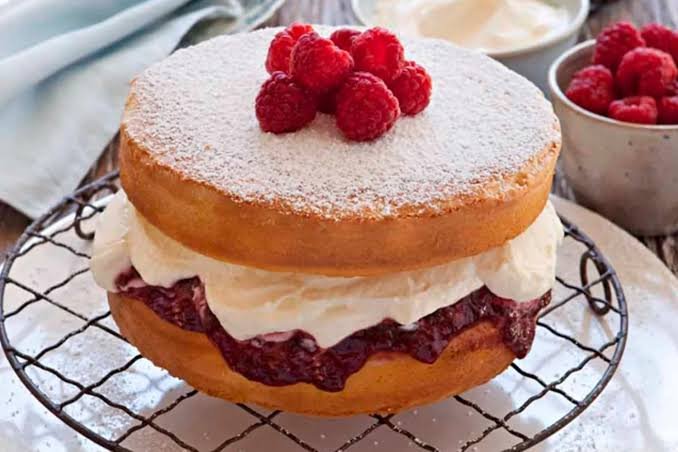
A well-made sponge cake is one of the simplest yet most rewarding homemade desserts. Its delicate texture, soft crumb, and gentle sweetness make it suitable for birthdays, afternoon tea, celebrations, or an everyday treat. Although the ingredient list is usually short, achieving a light, airy, and moist result depends on technique. Understanding how eggs, flour, sugar, and heat work together can transform an ordinary mixture into a beautifully risen cake.
The secret behind a successful sponge cake is creating and preserving air in the batter. Unlike dense cakes that rely heavily on butter or oil for richness, many classic sponge recipes depend on whipped eggs to provide structure and volume. With the right preparation, careful folding, and accurate baking, you can make a homemade cake that feels wonderfully soft without being dry or heavy.
Understanding the Basics of Sponge Cake
A traditional sponge cake generally contains eggs, sugar, flour, and sometimes a small amount of butter, oil, milk, or flavoring. Some recipes also use baking powder to provide additional lift. Each ingredient has an important purpose.
Eggs are especially important because they help create the cake’s airy structure. When eggs are whisked, they trap tiny bubbles of air. Sugar stabilizes the foam and contributes sweetness, while flour provides the structure needed to hold the bubbles during baking. Butter or oil can add moisture and tenderness, although too much fat may make the cake heavier.
The quality of the ingredients matters, but technique is equally important. Even excellent ingredients can produce a disappointing cake if the batter is overmixed or the oven temperature is incorrect.
Choosing the Right Ingredients
For a dependable sponge cake, begin with fresh eggs and good-quality flour. Eggs are often easiest to incorporate when they are at room temperature because they can achieve greater volume during whipping. Fine granulated sugar dissolves more easily and helps create a smoother batter.
Cake flour can produce an especially tender texture because it contains less protein than standard all-purpose flour. However, all-purpose flour can work well when handled carefully. Sifting the flour before adding it to the batter helps remove lumps and makes folding easier.
If your recipe includes vanilla extract, lemon zest, or another flavoring, add it in moderation. These ingredients can enhance the flavor without overpowering the delicate character of the cake.
Preparing the Batter Correctly
One of the most important steps is whipping the eggs properly. Depending on the recipe, eggs may be separated, with the whites whipped independently, or whole eggs may be beaten with sugar until thick and pale. Either approach can produce excellent results.
When whipping eggs, use a clean, dry bowl. Any traces of grease can interfere with egg-white foam. Beat until the mixture reaches the stage specified by your recipe. If using whole eggs, the mixture should become pale, thick, and noticeably increased in volume.
After the eggs are whipped, flour should be incorporated gently. Add the sifted flour in portions and fold it using a spatula. Avoid vigorous stirring because it can knock out the air you worked hard to create.
If melted butter or another liquid is included, it should usually be incorporated carefully. Adding a small amount of batter to the melted butter first can make it easier to blend the mixture without collapsing the main batter.
How to Keep the Cake Light and Airy
The defining quality of a good sponge cake is its light texture. To preserve that texture, handle the batter as little as possible after whipping.
Folding is better than stirring. Move the spatula through the center of the mixture, sweep along the bottom, and gently bring the batter upward. Rotate the bowl as you work. Continue only until the ingredients are combined.
Another important factor is preparation time. Once the batter is ready, place it into the prepared pan and bake promptly. Allowing the mixture to sit for too long can reduce some of its volume.
The baking pan should also be appropriate for the recipe. Grease and line it according to the instructions. A properly prepared pan allows the cake to rise evenly and makes removal easier after baking.
Baking for a Moist Texture
A light cake can still become dry if it is overbaked. Oven temperature and baking time therefore deserve careful attention. Always preheat the oven before placing the cake inside. An oven that is not hot enough can affect the rise, while excessive heat may cause the outside to set too quickly.
Avoid opening the oven door repeatedly during the early stages of baking. A sudden temperature change can cause a delicate cake to sink.
To check doneness, observe the appearance and texture of the cake. It should generally look golden and spring back gently when pressed in the center. A toothpick inserted into the middle should come out clean or with only a few moist crumbs, depending on the recipe.
Once baked, allow the cake to cool according to the recipe instructions. Removing it from the pan too early can cause breakage, while leaving it in a hot pan for too long may affect its texture.
Common Sponge Cake Mistakes
Several common mistakes can prevent a cake from reaching its full potential. Overmixing is one of the biggest problems because it removes trapped air and can develop too much gluten in the flour.
Another issue is inaccurate measurement. Baking is more precise than many other forms of cooking, so measuring ingredients carefully can make a noticeable difference. If possible, use a kitchen scale for flour and other dry ingredients.
Using cold ingredients when a recipe calls for room-temperature ingredients can also affect volume. Similarly, an oven that runs significantly hotter or cooler than its displayed temperature can produce inconsistent results.
Do not rush the cooling process either. A properly cooled cake is easier to slice and decorate without damaging its delicate crumb.
Flavoring and Serving Ideas
Once you master the basic method, there are many ways to customize a homemade sponge cake. Vanilla creates a classic flavor, while citrus zest can provide a fresh, bright note. You can also add spices, cocoa powder, or carefully selected extracts.
For a simple dessert, serve slices with fresh berries and lightly whipped cream. A layer of fruit preserves can add sweetness and moisture. For celebrations, the cake can be split horizontally and filled with cream, custard, jam, or fruit before being covered with a simple frosting.
Because its flavor is relatively delicate, sponge cake works as an excellent foundation for many desserts. It can be transformed into a layered celebration cake, a fruit-filled dessert, or an elegant tea-time treat.
Tips for Consistent Results
Consistency comes from repeating the same careful process. Measure everything accurately, prepare the pan before mixing, use suitable ingredients, and make sure the oven is fully preheated.
Pay particular attention to the eggs. Their volume provides much of the characteristic lightness, so whipping them sufficiently and folding the dry ingredients gently are essential steps.
Most importantly, do not expect perfection on the first attempt. Small differences in egg size, flour, oven temperature, and mixing technique can change the final result. Each attempt provides useful information about how your oven and ingredients behave.
Final Thoughts
Learning the basics of sponge cake baking gives you a versatile foundation for countless homemade desserts. The most important principles are simple: create plenty of air during mixing, protect that air while folding, measure accurately, and avoid overbaking.
With practice, you can develop a reliable method for producing a cake that is soft, moist, light, and pleasantly airy. Once the basic technique becomes familiar, experimenting with fillings, flavors, fruits, and toppings becomes much easier. A carefully prepared sponge cake is proof that a few simple ingredients, combined with the right technique, can create an impressive homemade dessert.